
A wicked witch. A monster lurking outside a mead hall. A queen remembered for sending a prince into exile. Fantasy has plenty of characters whose reputations arrive before they do. But what happens when those characters get room to explain themselves?
These fantasy books turn supposed villains into central characters, exploring the ambitions, betrayals, and choices behind their reputations. Some offer a defense. Others make their protagonists more understandable without making them innocent.
For this list, “gets to tell the story” includes both first-person narration and books that center the supposed villain’s experience. The selections range from fairy-tale origin stories to mythological retellings and a graphic novel, with no major ending spoilers.
If you make a purchase through these links, I may earn a small commission at no extra cost to you.
1. Wicked by Gregory Maguire
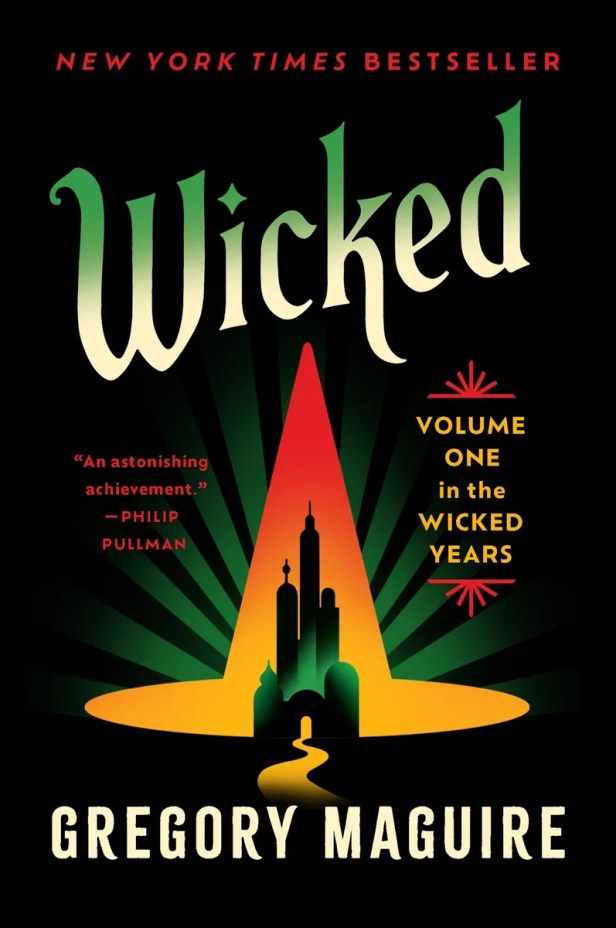
Before she becomes the Wicked Witch of the West, Elphaba is an outsider trying to understand a deeply unequal Oz. Maguire follows her life beyond Dorothy’s adventure, giving political convictions, relationships, and contradictions to a character usually remembered for her green skin and terrifying reputation.
The interesting question here is who gets the power to call someone wicked. Elphaba’s resistance to the Wizard makes that label politically useful, while her difficult personality keeps the story from becoming an uncomplicated defense.
Choose this for a darker, more adult examination of a familiar fantasy villain. Readers coming from the musical should expect a different reading experience.
Best for: Political fantasy and morally complicated fairy-tale retellings.
2. Grendel by John Gardner

In Beowulf, Grendel is the monster the hero must defeat. Gardner gives that monster a voice of his own, turning a familiar antagonist into a narrator preoccupied with human behavior, isolation, and the search for meaning.
That perspective complicates the story without erasing its violence. Grendel can observe human hypocrisy while remaining frightening himself. Understanding him does not require deciding that everything he does is justified.
This is the strongest starting point here for readers who want a villain literally telling his side. It also offers a different mood from the more romantic retellings on this list: philosophical, unsettling, and often bleakly funny.
Best for: Literary fantasy and a disturbing first-person voice.
3. Malice by Heather Walter

Malice reimagines Sleeping Beauty through Alyce, a young woman whose dark magic makes her useful to the people who also despise her. Her connection with Princess Aurora challenges the roles their society has assigned them.
The romance matters because Aurora sees a person where others see a threatening power. But affection exists alongside years of mistreatment, resentment, and a curse that puts their future under pressure.
Read this when you want a fairy tale to question its own assumptions about beauty, goodness, and who deserves love. It is the opening book of the Malice duology.
Best for: Sapphic fantasy romance and sympathetic witch perspectives.
4. Heartless by Marissa Meyer

Before she becomes Wonderland’s Queen of Hearts, Catherine wants to open a bakery. That ordinary ambition gives Heartless its hook: the future villain begins with a dream that has little to do with ruling anyone.
Her family’s expectations, the King’s interest, and her feelings for the court joker, Jest, pull her toward competing futures. Knowing her eventual identity creates tension even when the story feels playful or romantic.
This is a villain origin story rather than a promise that the Queen has been innocent all along. The appeal lies in watching the distance between the life Catherine wants and the figure readers already recognize.
Best for: YA fantasy, doomed romance, and Wonderland retellings.
5. Circe by Madeline Miller

Readers of The Odyssey encounter Circe during Odysseus’s journey. Miller makes her the center of a much longer life, exploring her upbringing among gods, her discovery of witchcraft, and her exile on Aiaia.
Circe is a more complicated fit than a straightforward fairy-tale villain: her role in myth includes danger, assistance, and transformation. That ambiguity is precisely what makes her perspective worth exploring.
Here, an encounter remembered as part of a hero’s adventure becomes one episode in someone else’s life. Choose this for an intimate mythological fantasy concerned with power, loneliness, responsibility, and independence.
Best for: Character-focused mythology and a witch reclaiming her narrative.
6. Kaikeyi by Vaishnavi Patel

Kaikeyi is often remembered as the queen whose demands lead to Rama’s exile in the Ramayana. Patel’s novel revisits her life, imagining the experiences, relationships, and magical abilities behind that defining decision.
The book explores her movement from a constrained childhood into a position of political influence, asking what agency means for a woman whose choices are judged within a powerful social and religious order.
This is one author’s imaginative reinterpretation within a rich tradition of tellings. Its place on this list comes from its sustained attention to a frequently vilified figure, giving readers a life to consider beyond a single notorious act.
Best for: Mythological fantasy, court politics, and contested reputations.
7. The Gospel of Loki by Joanne M. Harris

Loki has an explanation, and he would very much like you to hear it. Harris lets the Norse trickster recount his involvement with the gods, bringing his grievances and self-interest directly into the telling.
His account follows his recruitment by Odin and his increasingly troubled relationship with Asgard. The pleasure is in the gap between a persuasive storyteller and a trustworthy one.
Pick this if you prefer a supposed villain who argues his case with wit rather than quiet dignity. Loki’s version invites sympathy while giving readers plenty of reasons to question how he presents himself.
Best for: Norse mythology, sharp humor, and unreliable narration.
8. The Crimson Crown by Heather Walter

Walter returns to the villain’s side of a fairy tale with Ayleth, the young witch who will become Snow White’s wicked queen. Her story begins with a hidden coven and a kingdom in which practicing witchcraft can make someone a target.
A quest takes her into the White Palace, where dangerous politics intersect with an old romantic betrayal. Her future reputation hangs over a story concerned with survival, desire, and the pursuit of power.
Although it shares an author with Malice, this begins a separate duology. Choose it for a villain origin story with more emphasis on court intrigue and the making of a feared queen.
Best for: Queer witch fantasy and dark palace intrigue.
9. Nimona by ND Stevenson

This fantasy graphic novel pairs an impulsive shapeshifter with Lord Ballister Blackheart, a villain determined to expose the kingdom’s celebrated heroes. Their partnership brings mayhem, humor, and increasingly difficult questions about what makes someone monstrous.
Ballister’s boundaries do not always match Nimona’s willingness to cause destruction. That difference gives the story tension beyond the simple possibility that the official heroes are hiding something.
Nimona belongs here because it gives the supposed villains the central relationship and emotional stakes. Its mixture of knights, technology, and shapeshifting also offers a change of pace from the prose retellings.
Best for: Graphic novels, chaotic partnerships, and questionable heroic institutions.
10. Dark Lord of Derkholm by Diana Wynne Jones

What if being the Dark Lord were an exhausting assignment? In Jones’s comic fantasy, visitors pay to experience adventures in a magical world, while its inhabitants must supply the danger and spectacle.
Derk is assigned the villain’s role, drawing him and his unusual family into the machinery behind those supposedly heroic quests. The book shifts attention to the people expected to make someone else’s adventure work.
This is the list’s most literal example of manufactured villainy. It offers a funny, inventive look at fantasy conventions while asking who bears the cost when heroes arrive expecting a battle.
Best for: Comic fantasy, family adventures, and an unwilling Dark Lord.
Which Book Should You Start With?
Start with Grendel or The Gospel of Loki if you want a supposed villain speaking directly to you. Choose Wicked for political complexity, Malice for romance, or Nimona for a visual story that questions the division between heroes and monsters.
Which fantasy villain would you like to see get an entire book to explain their side?
Follow us on Instagram and Facebook
Posts


Discover more from Books of Brilliance
Subscribe to get the latest posts sent to your email.
