Updated September 23, 2026
The 2026 Booker Prize shortlist is here. Six novels remain in contention, including new work by former winners Marlon James and Douglas Stuart, a strange post-apocalyptic story from M. John Harrison, and a debut novel that moves between a medieval court and the present day. The shortlist was announced on September 22, and the winner will be announced Monday, November 9, 2026, at a ceremony at Old Billingsgate in London. No 2026 winner has been named yet. Source: The Booker Prizes
If you want to read along before the announcement, here are all six finalists and a guide to choosing your first book.
2026 Booker Prize shortlist at a glance
| Novel | Author | Start here if you want… |
|---|---|---|
| The End of Everything | M. John Harrison | Uncanny, post-apocalyptic fiction |
| The Disappearers | Marlon James | An expansive novel about queer lives and survival |
| Black Bag | Luke Kennard | A strange, funny campus satire |
| May We Feed the King | Rebecca Perry | Historical fiction that questions how history is told |
| The Things We Never Say | Elizabeth Strout | Quietly piercing family drama |
| John of John | Douglas Stuart | A father-and-son story set in the Outer Hebrides |
The six were selected from a 13-book longlist drawn from 163 submissions. This is the Booker Prize for fiction originally written in English, rather than the separate International Booker Prize for translated fiction. Source: The Booker Prizes
The six finalists, explained
The End of Everything by M. John Harrison

Harrison takes readers to a damaged version of the Kent coast. Phillip, a beachcomber who collects objects washed ashore, lives amid the aftermath of a crisis nobody seems able to explain fully. When he discovers a changing creature or object in the water, his already unstable world becomes harder to understand. The novel blends speculative fiction, satire, and the unease of living through a disaster without clear answers. Source: The Booker Prizes
Who should read it first? Readers drawn to dystopian fiction, ambiguous mysteries, and books that resist easy explanation. For a shortlist that ranges widely in style, this is the most obvious starting point for science-fiction readers.
The Disappearers by Marlon James
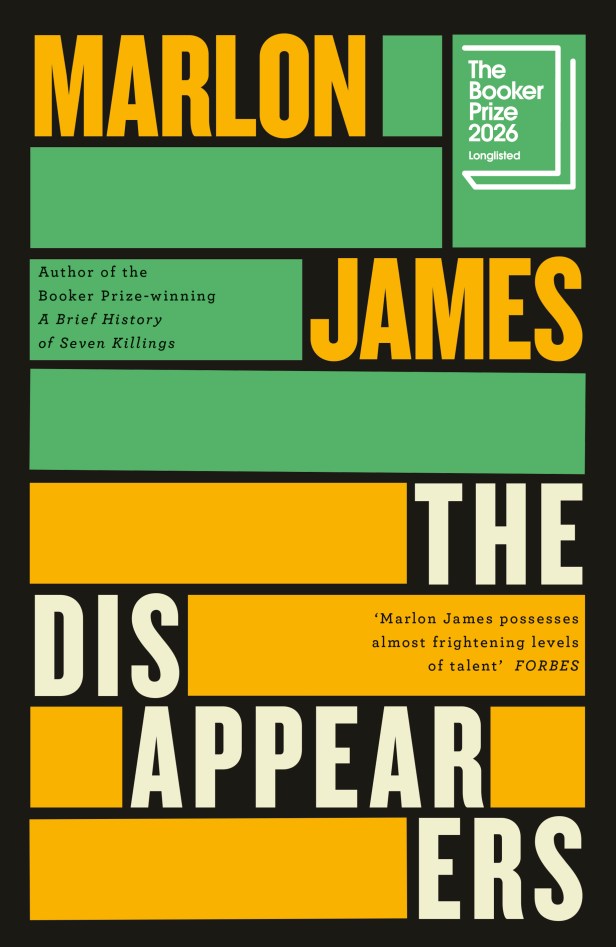
In Kingston, Jamaica, in 1988, eight gay men come together to rehearse a play. A violent homophobic attack kills one of them and changes the lives of the survivors. James follows the long aftermath: grief, anger, fear, and the competing ways people respond when a society makes their lives dangerous. It is a large-scale novel with a painful human story at its center. James previously won the Booker Prize in 2015 for A Brief History of Seven Killings. Source: The Booker Prizes
Who should read it first? Readers who want immersive, politically engaged fiction and can make room for a harrowing story. Its setting and subject distinguish it from the more private family dramas on this list.
Black Bag by Luke Kennard

An actor struggling to find work accepts an unusual job at a university: he sits through psychology lectures concealed inside a large black bag while a professor observes the students’ reactions. That absurd premise opens onto questions about money, visibility, identity, desire, and how people connect. The Booker describes it as both a campus novel and an offbeat love story. Source: The Booker Prizes
Who should read it first? Anyone who wants a sharply comic premise and contemporary satire. It offers an unusual doorway into a prize list that includes several weightier stories.
May We Feed the King by Rebecca Perry

A present-day curator recreates rooms in historic buildings and becomes absorbed by the life of a nearly forgotten medieval king. In the other strand, a reluctant ruler inherits the throne after his older brothers die and faces growing doubts about his fitness to reign. Perry brings the two stories together to ask what history remembers, what it leaves out, and why the past can feel safer than the present. This is Perry’s debut novel. Source: The Booker Prizes
Who should read it first? Historical-fiction readers who like novels that move between time periods and question the stories we inherit. Of the six finalists, this would be my first pick to explore because I often gravitate toward historical fiction; that is a reading preference, not a prediction about the judges’ choice.
The Things We Never Say by Elizabeth Strout

Artie Dam teaches high-school history in coastal Massachusetts. He has a long marriage, familiar routines, and a life that seems secure from the outside, yet he feels isolated and carries a secret. Then he learns something that forces him to rethink what he knows about those closest to him. Strout’s novel turns its attention to grief, friendship, family, and the limits of how well one person can know another. She was previously shortlisted for Oh William! in 2022. Sources: The Booker Prizes and 2026 longlist announcement
Who should read it first? Readers who prefer intimate character studies to big, plot-driven premises. This looks like the most natural entry point if you come to the Booker shortlist for emotionally precise literary fiction.
John of John by Douglas Stuart

After art school leaves him short of money, John-Calum Macleod returns to his family home on the Isle of Harris. There he must live again with his father, John, a sheep farmer and committed member of the local Presbyterian church. Cal has changed during his time away, and the return exposes the distance between what his father expects and who he is. Stuart won the 2020 Booker Prize for Shuggie Bain. Source: The Booker Prizes
Who should read it first? Readers looking for a vivid sense of place and a difficult father-and-son relationship. If Shuggie Bain made Stuart an author you follow, his return to the shortlist is a compelling reason to pick this up.
When will the 2026 Booker Prize winner be announced?
The winner date is November 9, 2026, a Monday. The ceremony is scheduled for Old Billingsgate in London. The winner will receive £50,000; the other shortlisted authors receive £2,500 each. This date is confirmed on the prize’s official 2026 page. Until the ceremony, headlines claiming that one of the six has won are premature. Source: The Booker Prizes
The shortlist was chosen by judges chaired by Mary Beard, alongside Raymond Antrobus, Jarvis Cocker, Rebecca Liu, and Patricia Lockwood. Two finalists are former winners, James and Stuart, while Perry is the shortlist’s debut novelist. The mix of satire, speculative fiction, historical fiction, and intimate realism makes the list unusually easy to approach by reading taste rather than by trying to guess a winner. Source: The Booker Prizes
Which finalist should you read first?
For historical fiction, begin with May We Feed the King. For science fiction and unsettling worlds, choose The End of Everything. If you want humor and an unusual setup, try Black Bag. For family relationships and interior lives, start with The Things We Never Say or John of John. Choose The Disappearers if you want a more expansive, intense novel about the long consequences of violence.
That is the pleasure of following a shortlist before the winner is announced: you can find your own favorite while the result is still open. We’ll update this guide after November 9 with the winner and the judges’ decision.
Frequently asked questions
Who won the 2026 Booker Prize?
As of September 23, 2026, the winner has not been announced. The prize is scheduled to name the winner on November 9, 2026.
How many books are on the 2026 Booker shortlist?
Six: The End of Everything, The Disappearers, Black Bag, May We Feed the King, The Things We Never Say, and John of John.
Is the Booker Prize the same as the International Booker Prize?
No. The Booker Prize honors eligible fiction written in English; the International Booker Prize recognizes eligible fiction translated into English. This article covers the 2026 Booker Prize, whose winner is due November 9.
Follow us on Instagram and Facebook


Discover more from Books of Brilliance
Subscribe to get the latest posts sent to your email.