A secondhand bookshop in Jimbocho, a café on a Yanaka side street, and a park beside Ueno Station tell three very different stories about Tokyo. That’s what draws me to reading about the city one neighborhood at a time. I’d start in Jimbocho with Satoshi Yagisawa, then read Yu Miri’s Tokyo Ueno Station to see how dramatically the city changes when someone else is doing the looking.
These five books cover four novels in English translation and one memoir. Some offer places you can visit today. Others are most interesting for the Tokyo they recover from the past.
| If you want to read about… | Neighborhood | Start with |
|---|---|---|
| Secondhand bookstores and starting over | Jimbocho | Days at the Morisaki Bookshop |
| A café and the lives of its regulars | Yanaka | Days at the Torunka Café |
| The hidden history of a public park | Ueno | Tokyo Ueno Station |
| Revue theaters and 1920s street life | Asakusa | The Scarlet Gang of Asakusa |
| Nightlife through a crime reporter’s eyes | Kabukicho, Shinjuku | Tokyo Vice |
1. Jimbocho — Days at the Morisaki Bookshop by Satoshi Yagisawa

After a breakup, Takako moves into the room above her uncle’s secondhand bookshop. She arrives with little interest in reading. Living above the shop means spending her days around people who care which edition they’re buying, what they’ve read before, and what they might find on the next shelf. The pleasure of this novel is watching her slowly acquire a reason to come downstairs.
Jimbocho gives the book its pace. Browsing is an activity you can do alone without shutting yourself away, which is exactly what Takako needs. Start here if your favorite part of visiting a city is finding a street where you can linger without a plan.
Find Days at the Morisaki Bookshop on Amazon!
2. Yanaka — Days at the Torunka Café by Satoshi Yagisawa
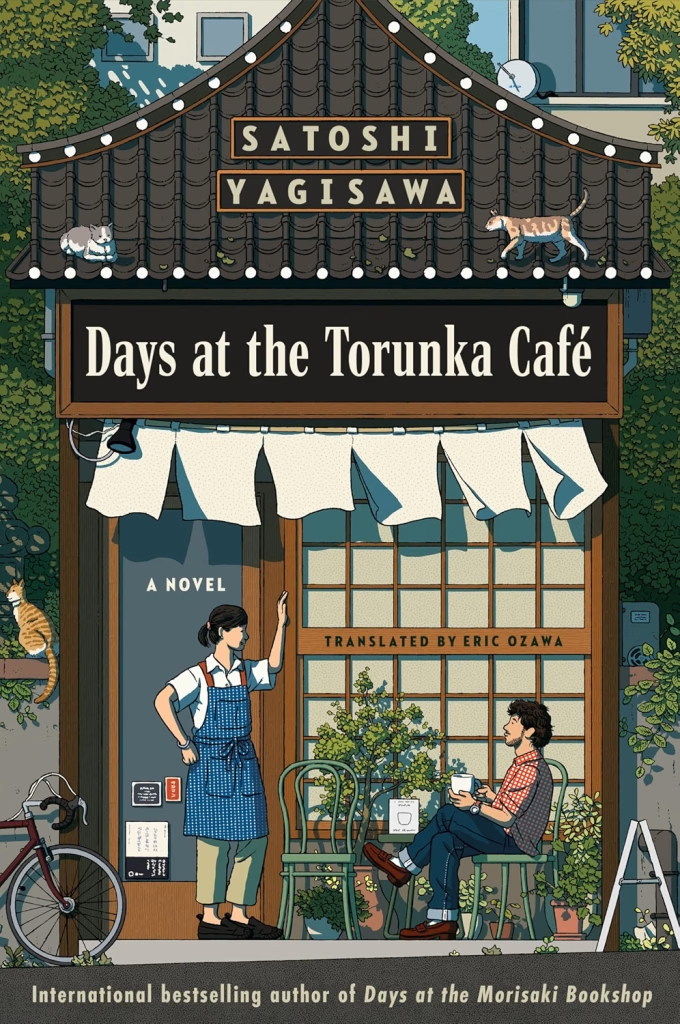
Yagisawa trades the shelves of Jimbocho for a café tucked down a Yanaka side street. One customer folds her napkin into a ballerina. Another returns to the neighborhood looking for something he left behind. The café owner’s daughter, meanwhile, is grieving her sister and falling in love for the first time.
The recurring visits make the setting feel lived in. People sit in the same room carrying completely different memories of the streets outside it. If you liked Morisaki, this is a natural follow-up. Go straight to Torunka if you’re more interested in the people who come back to the same café every week than in the books on a shop’s shelves.
Find Days at the Torunka Café on Amazon!
3. Ueno — Tokyo Ueno Station by Yu Miri

Kazu, a man from Fukushima who once came to Tokyo for work, narrates this novel after his death. He haunts the park near Ueno Station, where he lived while unhoused. His memories move between his family and the changing city, including the years surrounding the 1964 Olympics.
A park that might be a short stop on someone’s itinerary is, for Kazu, a place where he had to get through the day. That difference gives everyday details their weight. Morgan Giles’s English translation won the 2020 National Book Award for Translated Literature. Pick this one if you want a short novel whose images stay with you after you put it down.
Find Tokyo Ueno Station on Amazon!
4. Asakusa — The Scarlet Gang of Asakusa by Yasunari Kawabata
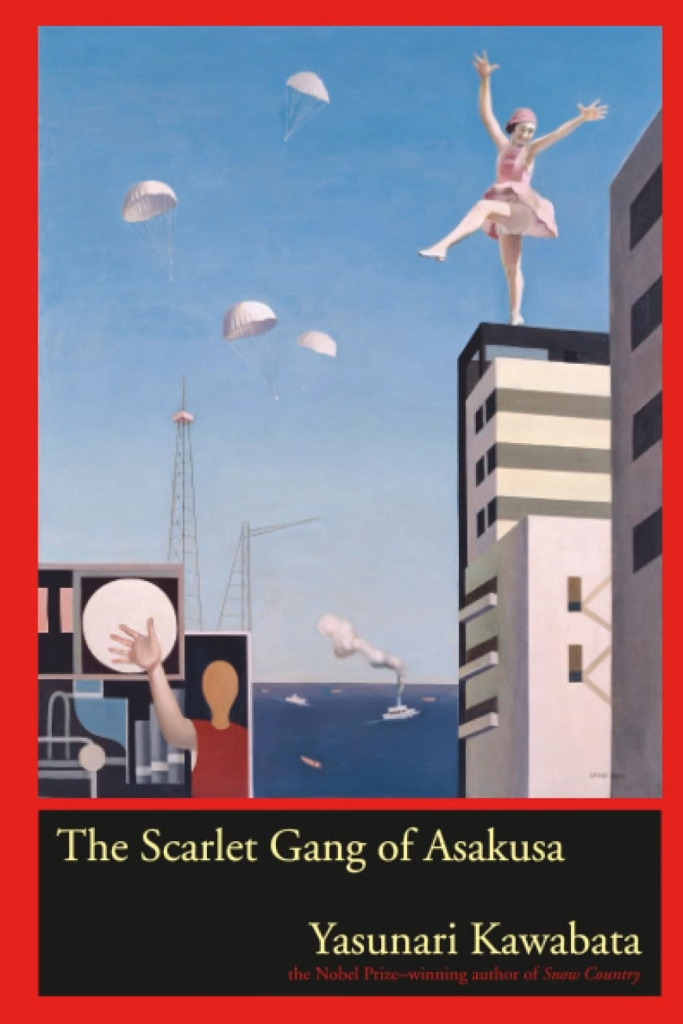
Kawabata’s Asakusa is the entertainment district of the late 1920s. Revue dancers, teenagers living by their wits, and people trying to make a living on the street all pass through the book. Kawabata moved to Asakusa in 1929, and the novel grew out of his observations of the district.
Reading it can feel like following someone through a crowd. The narrative darts toward a new face or spectacle just as you’ve started paying attention to the last one. Choose Alisa Freedman’s translation if you want to picture the theaters and street life that once drew crowds to this part of Tokyo.
Find The Scarlet Gang of Asakusa on Amazon!
5. Kabukicho, Shinjuku — Tokyo Vice by Jake Adelstein

Adelstein’s memoir follows his years on the Japanese police beat, with reporting that takes him well beyond Kabukicho. The Shinjuku nightlife district still makes a good entry point into the book. In one episode, a vice officer explains how police think about the businesses they monitor there. The exchange gets at something a street-level view alone can miss: the relationships that determine what gets investigated and what gets tolerated.
Read this if you want the momentum of a crime story and the perspective of a reporter trying to work his sources. It also pairs well with Kawabata. The two books look at entertainment districts decades apart, one through the crowds and performers and the other through the institutions policing the trade.
Find Tokyo Vice by Jake Adelstein on Amazon!
Which Tokyo book should you read first?
Read Days at the Morisaki Bookshop for the easiest way in, or Tokyo Ueno Station if you’re choosing just one book and want the setting to change how you think about a real place. If you have room for two, pair them. Takako finds a place where she can stay long enough to rebuild her life. Kazu’s story asks what it costs to live somewhere where your ability to stay is always uncertain.
Follow us on Instagram and Facebook


Discover more from Books of Brilliance
Subscribe to get the latest posts sent to your email.