
Classic literature has a reputation for being long and difficult, but many essential works are surprisingly short. A novella can introduce a major author, pull you out of a reading slump or deliver an idea that stays with you longer than a much bigger novel.
The books below are commonly available in editions under 200 pages, although page counts vary by publisher, translation, type size and included introductions. Check the edition you plan to buy if the limit is important. Every selection is short enough for most readers to finish over a weekend.
I enjoy long books, but short classics often feel more concentrated. There is little room for filler, and the final scene can completely change how you understand everything that came before it.
The Best Short Classic Books Under 200 Pages
1. The Old Man and the Sea by Ernest Hemingway

An aging Cuban fisherman named Santiago has gone eighty-four days without catching a fish. He sails farther into the Gulf Stream and hooks an enormous marlin, beginning a struggle that tests his endurance and dignity.
Hemingway’s simple sentences contain much more than they first reveal. The book is about work, pride, respect for nature and what victory means when the world takes away the evidence of your achievement. Read our full Old Man and the Sea review.
Find The Old Man and the Sea on Amazon!
2. The Pearl by John Steinbeck

Kino, a poor pearl diver, finds a magnificent pearl after his infant son is stung by a scorpion. He believes the discovery will pay for medical care and transform his family’s future, but wealth attracts greed, exploitation and violence.
Steinbeck turns a simple parable into a painful examination of hope and inequality. Our review of The Pearl explains why this brief novel remains so effective.
3. Of Mice and Men by John Steinbeck

George and Lennie travel through California during the Great Depression, working toward their dream of owning a small farm. Lennie’s strength and limited understanding repeatedly place both men in danger.
The novel’s friendship gives it warmth, but the economic precarity surrounding the characters creates an unavoidable sense of tragedy. It is accessible for new classic readers and powerful enough to reward rereading.
Find Of Mice and Men on Amazon!
4. Animal Farm by George Orwell

The animals of Manor Farm overthrow their owner and establish a society built on equality. The pigs gradually take control, rewrite the movement’s history and reproduce the oppression the rebellion was meant to end.
Orwell’s political allegory is easy to follow even without knowing every historical parallel. Its clearest lesson is broader than one revolution: language, fear and manipulated memory can make abuse look necessary.
5. The Metamorphosis by Franz Kafka

Gregor Samsa wakes to discover that he has transformed into a giant insect. His first concern is missing work, but his family soon has to decide what responsibility, love and usefulness mean when Gregor can no longer support them.
The impossible transformation is presented with deadpan calm. That contrast makes the story funny, horrifying and painfully familiar to anyone who has felt valued only for what they provide.
Find The Metamorphosis on Amazon!
6. The Stranger by Albert Camus

Meursault responds to his mother’s death and the routines of daily life with emotional detachment. After he commits a killing, his trial becomes as concerned with his personality as with the crime itself.
Camus uses a spare first-person voice to explore absurdity, judgment and the human desire to impose meaning. Different English translations vary in tone, so the edition can influence how readers understand Meursault.
7. The Death of Ivan Ilyich by Leo Tolstoy
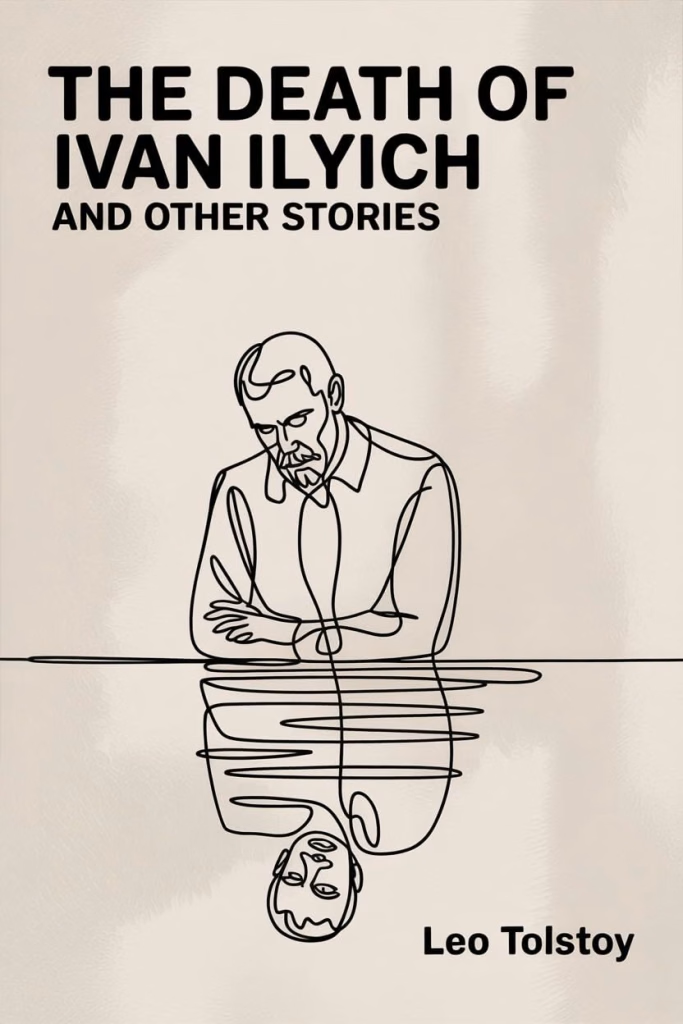
Ivan Ilyich has built a respectable career and conventional family life. When an injury develops into a terminal illness, he begins to suspect that the successful life he pursued may have been spiritually empty.
Tolstoy compresses an entire life into a devastating novella. It is an excellent introduction to Russian literature because it offers profound moral questions without the length or enormous casts associated with major Russian novels.
Find The Death of Ivan Ilyich on Amazon!
8. The Little Prince by Antoine de Saint-Exupéry

A pilot stranded in the Sahara meets a young prince who has traveled from a tiny asteroid. The prince’s stories about planets, adults, a rose and a fox become reflections on love, loneliness and the strange priorities people acquire as they grow older.
It is often marketed as a children’s book, but its emotional meaning changes with age. The language is simple; the questions about attachment and loss are not.
Find The Little Prince on Amazon!
9. The Time Machine by H. G. Wells

by H. G. Wells
A Victorian inventor travels far into Earth’s future and encounters the gentle Eloi and underground Morlocks. What initially appears to be a peaceful world reveals the distant consequences of class division.
Wells helped establish time travel as a scientific concept in popular fiction. The novella moves quickly, but its vision extends across human evolution and even the eventual decline of the planet.
Find The Time Machine on Amazon!
10. A Christmas Carol by Charles Dickens

Ebenezer Scrooge dismisses generosity and human connection until three spirits force him to witness his past, present and possible future. The familiar adaptations can make readers forget how funny, eerie and direct Dickens’s original story is.
You do not need to wait for December. Its argument that people can change, and that society owes care to vulnerable members, works in every season.
Find A Christmas Carol on Amazon!
11. The Turn of the Screw by Henry James

A young governess takes charge of two children at an isolated estate and becomes convinced that malevolent ghosts are trying to reach them. The children’s behavior and the governess’s own narration make certainty impossible.
This is a foundational psychological ghost story. Readers still debate whether the apparitions are real, whether the governess is unreliable or whether both explanations miss something important.
Find The Turn of the Screw on Amazon!
12. Notes from Underground by Fyodor Dostoevsky

An unnamed former civil servant delivers a bitter argument against rational self-interest, then recounts humiliating episodes from his life. He understands his destructive behavior but repeatedly chooses it anyway.
The narrator is unpleasant, funny and painfully self-aware. The book influenced existentialist literature and remains a sharp portrait of resentment, isolation and the ways people sabotage their own desire for connection.
Find Notes from Underground on Amazon
13. The Yellow Wallpaper by Charlotte Perkins Gilman

A woman experiencing severe mental distress is confined to a room by her physician husband and forbidden to work. With no control over her treatment, she becomes obsessed with the room’s wallpaper and the figure she believes is trapped behind it.
This short story is often published alone or with other writing. It remains a chilling account of medical authority, gender and the consequences of refusing to listen to a patient.
Find The Yellow Wallpaper on Amazon!
14. The Awakening by Kate Chopin
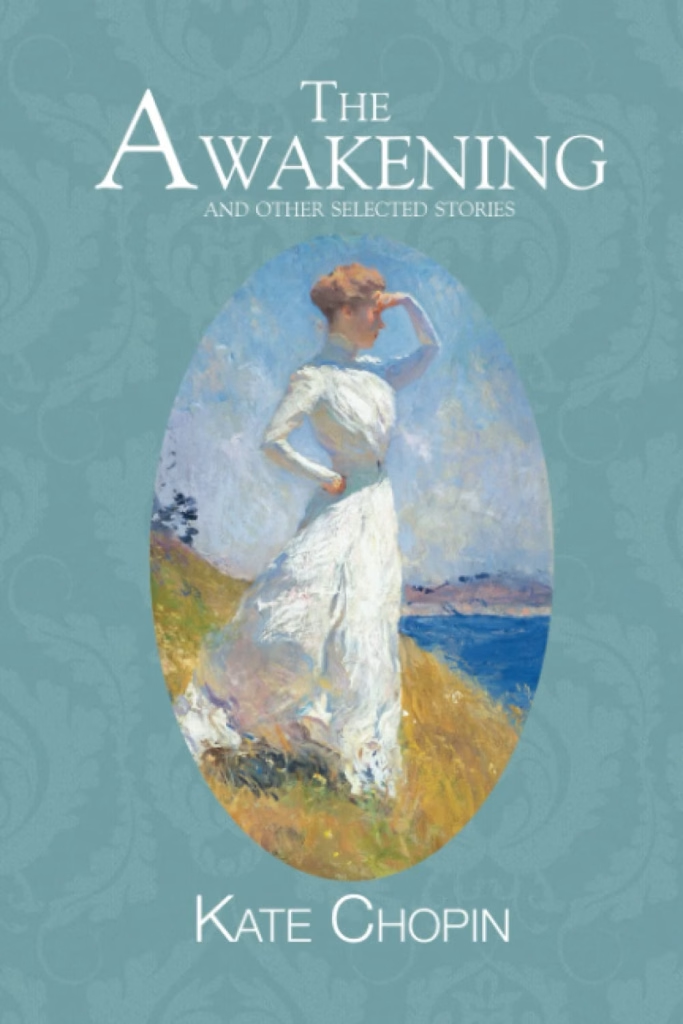
Edna Pontellier begins questioning marriage, motherhood and social expectation after a summer on Grand Isle. Her desire for artistic and personal independence brings exhilaration but also places her in conflict with the world around her.
Chopin’s novel was controversial when published in 1899. Its treatment of female autonomy and the gap between private desire and public identity still feels strikingly modern.
15. We Have Always Lived in the Castle by Shirley Jackson

Merricat Blackwood lives with her sister Constance and uncle Julian after most of their family died from arsenic poisoning. The surviving Blackwoods are isolated from a hostile village until a cousin arrives and threatens their unusual routine.
Jackson blends Gothic tension, dark humor and an unforgettable narrator. It is one of the best options here for readers who want a classic that feels like a modern psychological thriller.
Find We Have Always Lived in the Castle on Amazon!
Which Short Classic Should You Read First?
- For an accessible first classic: Of Mice and Men
- For a philosophical book: The Death of Ivan Ilyich
- For dystopian politics: Animal Farm
- For Gothic suspense: We Have Always Lived in the Castle
- For science fiction: The Time Machine
- For a one-sitting story: The Yellow Wallpaper
How to Choose the Right Edition
Page counts are not fixed. A scholarly introduction, notes, large print or multiple stories can push a short work beyond 200 pages. Translated books may also differ significantly because translators make different stylistic choices.
Look at the length of the main text rather than the retailer’s total if your goal is a short reading experience. For public-domain works, sampling more than one translation or free edition can help you find a voice that feels natural.
Why Read Short Classics?
Short classics are ideal between longer novels. They introduce major writers without requiring weeks of reading, and their cultural influence makes references in later books easier to recognize. They are also proof that importance has little to do with page count.
If you want a broader list after these novellas, explore our reader-approved books to read in a lifetime or the best fantasy books of all time.
Final Thoughts
Begin with The Old Man and the Sea or Of Mice and Men if you want straightforward prose, The Metamorphosis if you prefer strange fiction, or We Have Always Lived in the Castle for psychological suspense. Whichever you choose, you can finish a landmark work before the weekend ends.
Follow us on Instagram and Facebook


Discover more from Books of Brilliance
Subscribe to get the latest posts sent to your email.
