
The Book Thief made me fall in love with reading, and Death was a big reason why. I still think making him the narrator was one of the best choices Markus Zusak could have made. I remember how he notices the colors of the sky in the opening, as if he needs somewhere else to look for a moment. Death has a world at war to get through, yet he keeps coming back to Liesel Meminger. There’s something about that choice that still gets to me. Of all the people he could have told us about, he wanted us to know this girl.
Death sometimes tells us what’s coming, too. That could have taken all the tension out of Liesel’s story. For me, it made the ordinary moments feel more urgent. I wanted to spend more time with these people precisely because Death had given me some idea of how little time they had.
If you’re looking for books like The Book Thief because you miss that voice, I’d start with Lincoln in the Bardo. For the surprise of hearing from someone who seems incapable of telling a story at all, try The Book of Form and Emptiness. The seven books below range from historical fiction to fantasy, and in each one, the point of view changes what you notice and whose account you believe.
As an Amazon Associate I earn from qualifying purchases.
1. Lincoln in the Bardo by George Saunders

The voices: A chorus of ghosts, intercut with excerpts from historical accounts, some real and some invented.
After Abraham Lincoln’s young son Willie dies, Saunders takes us to the cemetery, where the dead have plenty to say about their own predicaments. They interrupt and contradict one another. The historical voices do some of that work too, offering different accounts of the same events. Reading it feels like listening to a room full of witnesses and discovering that each one caught a different part of the story.
This is my closest pick for readers who loved the way Death could move between one family’s grief and the losses of a whole war. Saunders lets a crowd of voices make that shift.
Find Lincoln in the Bardo on Amazon!
2. The Lovely Bones by Alice Sebold

The voice: Susie Salmon, a murdered teenager who watches her family from her heaven.
Susie can see how the people she loves carry on after her death. What gives the novel its ache is that she still sounds like someone who expected to grow up alongside them. She can watch her family change, but watching gives her only a limited way to be part of their lives. Where Death has seen countless people die, Susie is trying to understand the consequences of a single death, her own.
Pick this one if the distance between Death and Liesel moved you most. Susie’s murder and sexual assault make it a particularly heavy read.
3. The Book of Form and Emptiness by Ruth Ozeki
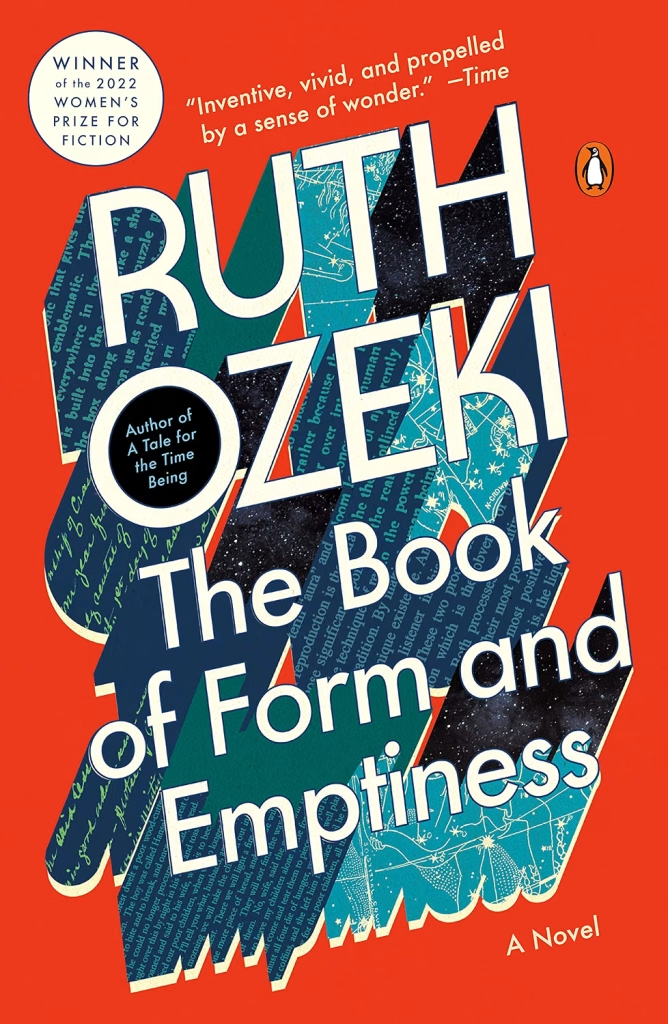
The voice: A talking Book that tells the story of a grieving boy who hears voices from objects.
After his father’s death, Benny Oh begins hearing things that most people would walk past without a thought. The Book itself takes up his story, and Benny can answer back. That exchange lets Ozeki ask what it feels like when someone else decides which parts of your life matter enough to put on the page.
I’d hand this to anyone who loved the idea that Death might care about something as ordinary as a girl’s book. Ozeki gives ordinary things voices of their own and asks how carefully we’re willing to listen.
4. Piranesi by Susanna Clarke

The voice: A meticulous journal keeper who lives in a vast House filled with statues and tides.
Piranesi writes down what he sees, from the movement of the tides to the statues in the halls. Those details tell you how he lives, what he values, and which mysteries would never occur to him to investigate. When his records start raising questions he can’t easily answer, you already know him well enough to understand why those questions might unsettle him.
This is my pick if Death’s attention to color and small details stayed with you. Piranesi’s care for the House makes it worth exploring even before you know what’s going on there.
5. The Fifth Season by N. K. Jemisin

The voice: A narrator who addresses Essun as “you” in one of the novel’s three main strands.
Essun’s chapters put you close to a woman enduring an almost unbearable loss as the world around her begins to break apart. The second person can feel intimate and disorienting in the same sentence. There’s also a question behind every “you”: Who is speaking to Essun, and why tell her story this way?
If Death made you think about who gets to tell another person’s story, this is the pick I’d move up your list. Jemisin gives that question a different force simply by changing the pronoun. Read my review of The Fifth Season here.
6. We Have Always Lived in the Castle by Shirley Jackson

The voice: Merricat Blackwood, a young woman who tells you about her family and her village on her own terms.
Merricat has a precise sense of what feels safe and what feels threatening. Her rituals make their own kind of sense when she explains them, and her account of going into the village can make a simple shopping trip feel loaded. Jackson lets you feel Merricat’s fear even as you start to wonder what her explanations leave out.
Try this if you wanted a narrator whose company could feel comforting on one page and unsettling on the next.
7. The Bees by Laline Paull
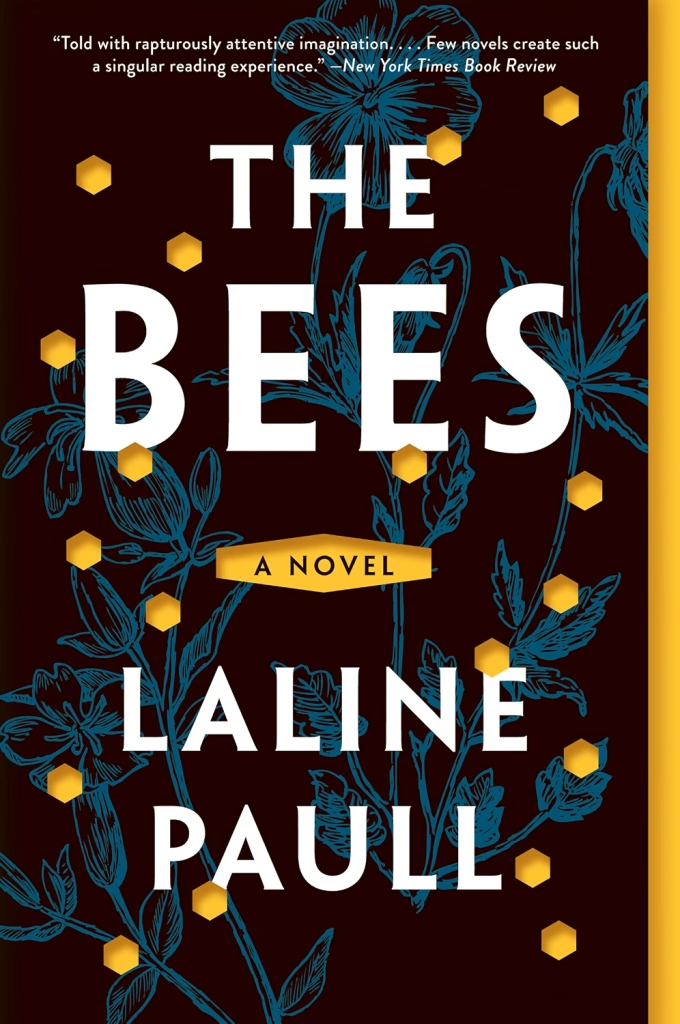
The point of view: The main story follows Flora 717, a worker bee, in close third person.
Flora starts out among the hive’s sanitation workers, where duties and rank shape nearly everything she’s allowed to do. Paull brings us close enough to Flora that scent and movement carry information a human narrator might look for in someone’s face. The hive’s rules feel lived-in because you learn what they demand of Flora before you see the full cost of obeying them.
This is the pick I’d give readers who want another book that asks them to spend time with a very different kind of mind.
Which book should you read first?
Start with Lincoln in the Bardo if you miss the combination of history, grief, and voices from beyond the grave. Choose The Book of Form and Emptiness if you’re still looking for a book that makes you think, “I didn’t know you could tell a story that way.” For a quieter read, I’d go with Piranesi. I like how much it lets you learn about someone from the simple act of writing down what he sees.
If you’re rereading Zusak with friends, bring one question to the discussion. What does Death notice about Liesel that another narrator might have missed? You can find more in our The Book Thief book club questions.
Follow us on Instagram and Facebook


Discover more from Books of Brilliance
Subscribe to get the latest posts sent to your email.
