
Some readers remember the severed toe. Others remember the scarecrow. And then there are Stephen Gammell’s illustrations, which could make you hesitate before turning the page. Alvin Schwartz’s Scary Stories to Tell in the Darkbooks understood how much a good scare could do with an ordinary object, a few well-chosen details and a storyteller who knew when to stop.
If you want that feeling again, start with Ray Bradbury’s The October Country. If the pictures were what stayed with you, pick up E.M. Carroll’s A Guest in the House. The seven books below range from quiet ghost stories to full-on body horror, with a suggested first story for every collection.
As an Amazon Associate I earn from qualifying purchases.
Which horror book should you read first?
| If you remember loving… | Start with | Scare level |
|---|---|---|
| A weird object at the center of the story | The October Country | Moderate |
| Ghost stories you could tell aloud | Collected Ghost Stories | Mild to moderate |
| Gammell’s unsettling illustrations | A Guest in the House | Moderate |
| Everyday encounters that turn sinister | The Lottery and Other Stories | Mild to moderate |
| Warnings about what lives in the woods | The Twisted Ones | Moderate to high |
| Monsters hiding in ordinary rooms | Night Shift | High |
| The goriest and strangest tales | Wounds | Very high |
Scare levels reflect the kind of dread and graphic content you can expect. Intensity varies from story to story in the collections.
1. The October Country by Ray Bradbury

Bradbury’s “The Jar” starts with the kind of object that belongs in a story traded at a sleepover: a carnival jar with something inside that nobody can quite identify. Its owner brings it home, and his neighbors gather to look. What each person thinks they see tells you as much about them as it does about the thing in the jar. The pleasure is in hearing those explanations get stranger as the crowd keeps looking.
That’s why this collection is the closest all-around match for Schwartz. Bradbury can make one ordinary object carry an entire story, then switch from grotesque to tender in a few pages. If you want a second taste, try “The Emissary,” about a sick boy whose dog is his connection to the world outside.
Find the Del Rey paperback on Amazon!.
2. Collected Ghost Stories by M. R. James
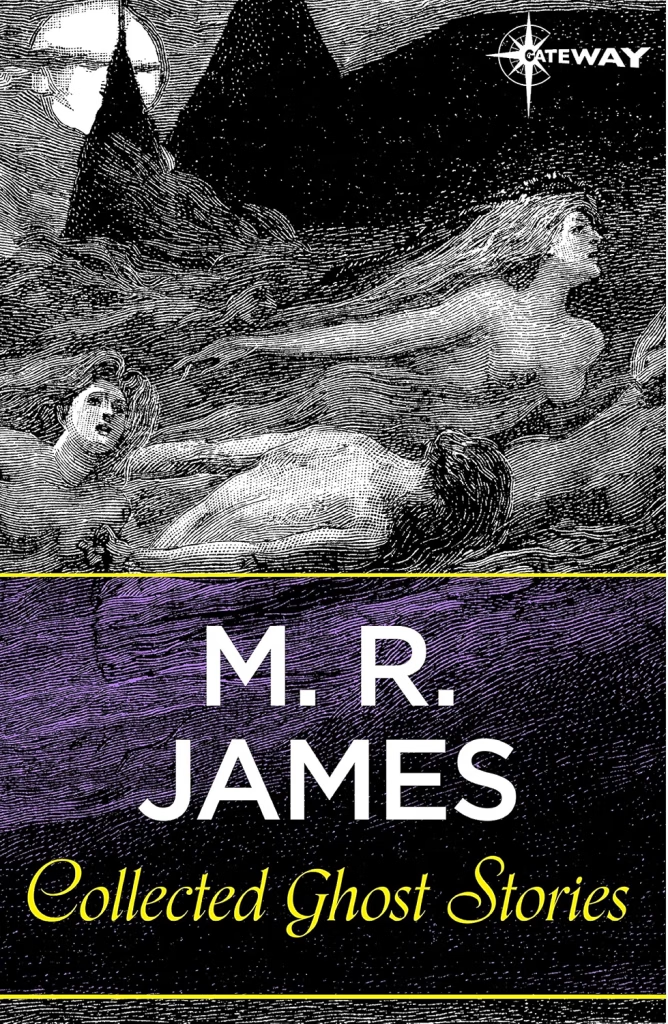
In “Oh, Whistle, and I’ll Come to You, My Lad,” an academic finds a whistle near the coast and makes the classic ghost-story mistake of blowing it. It’s the sort of premise you could tell in a sentence around a campfire. James takes his time with what follows, letting the threat gather through small disturbances. By the time the story gets to the spare bed, you’ll understand why a perfectly ordinary hotel room can be a terrible place to spend the night.
James’s prose is more leisurely than Schwartz’s. Read this one aloud and you can hear how that pace works. The pauses leave room for the listener to picture what the storyteller is holding back.
3. A Guest in the House by E.M. Carroll
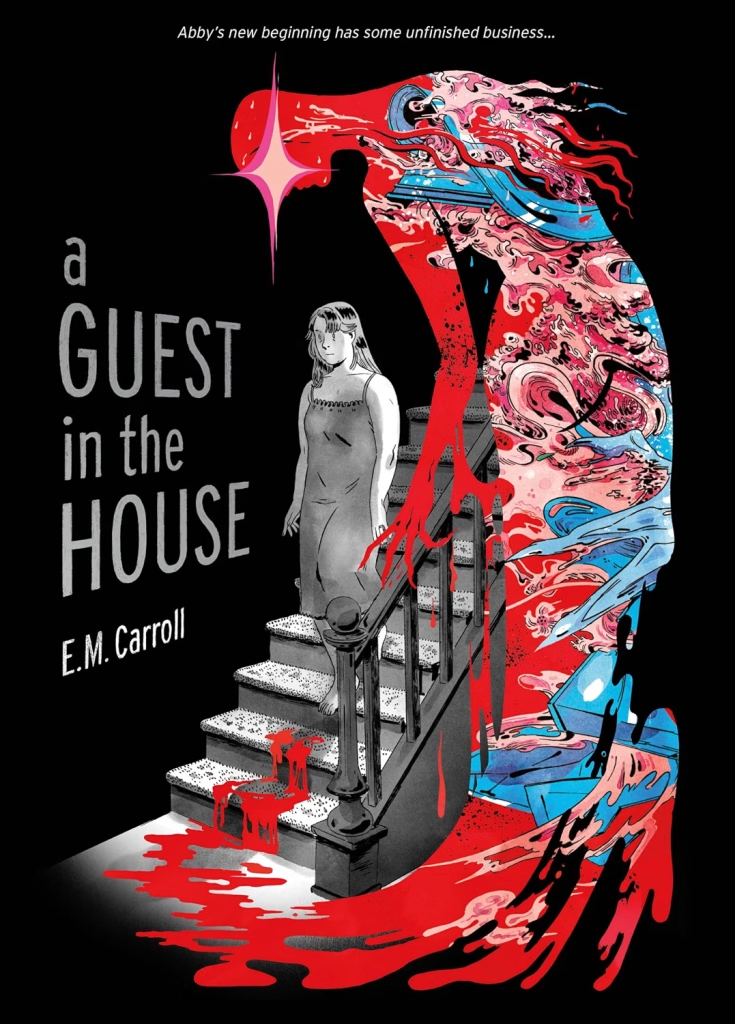
Abby marries a widowed dentist and tries to settle into life with him and his daughter. Then she begins to wonder how his first wife died. The more she learns about Sheila, the harder it gets to tell where curiosity ends and obsession begins.
If you used to turn back to Gammell’s drawings after you’d finished reading a story, this is the pick for you. Carroll’s black-and-white pages establish the rhythms of Abby’s daily life, so the bursts of surreal color feel like a disturbance. The art also controls when you get to see what Abby sees, giving a well-timed page turn the force of a reveal.
Find A Guest in the House on Amazon.
4. The Lottery and Other Stories by Shirley Jackson
by Shirley Jackson
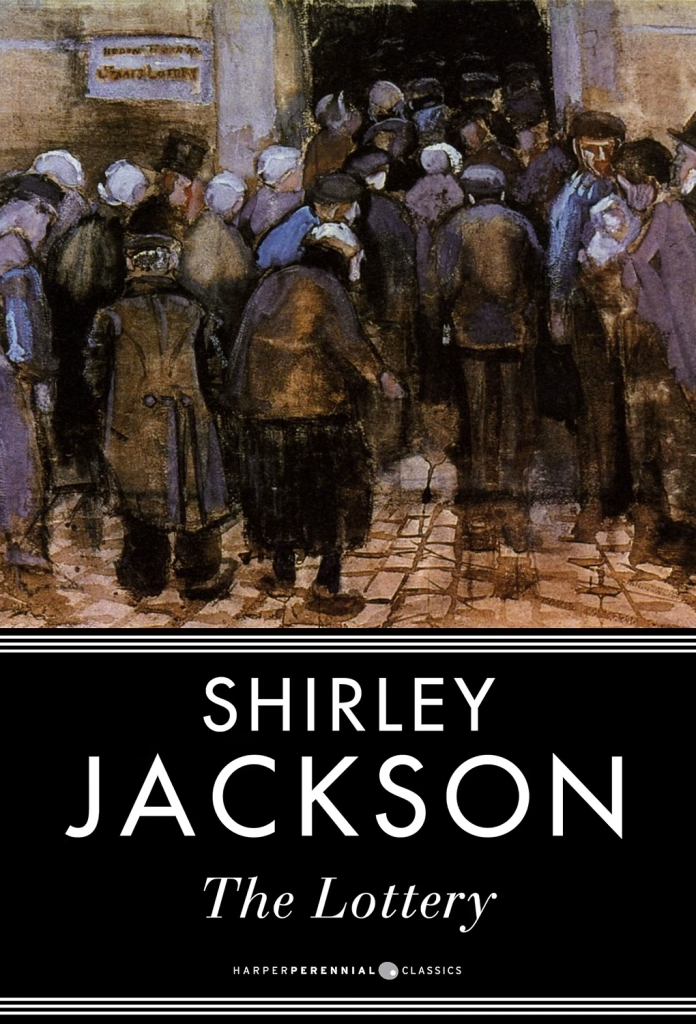
In “The Witch,” a stranger strikes up a conversation with a little boy on a train and tells him a gruesome story in the tone of someone making friendly small talk. The real chill comes from how long that conversation is allowed to continue. Jackson knows how hard it can be to interrupt a stranger, even when every word gives you another reason to do it.
This is the collection for readers who liked the unnerving logic of a schoolyard legend. Jackson turns politeness, gossip and routine into sources of suspense. If you’ve already read the title story, “The Witch” takes just a few pages to show what else she can do. For a longer reading path, see our guide to where to start with Shirley Jackson.
Start with “The Witch.” FindThe Lottery and Other Stories on Amazon.
5. The Twisted Ones by T. Kingfisher
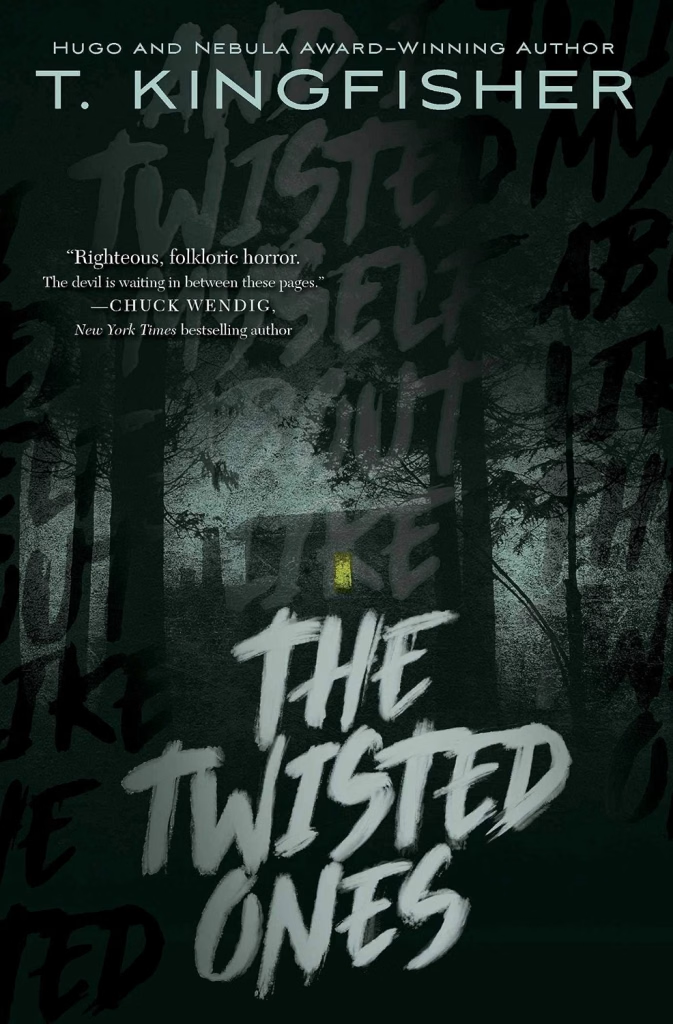
Mouse heads to rural North Carolina to clear out her late grandmother’s house. There’s plenty to deal with indoors, including the junk her grandmother hoarded. Then Mouse finds her step-grandfather’s journal and starts seeing things that match his unsettling descriptions.
Kingfisher takes the shape of a tale you might have heard as a kid, about somebody who learns too late what’s out in the woods, and gives it room to build over a full novel. Mouse’s practical voice makes the setup work. She has a job to do and a dog to look after, so there are plausible reasons to pay attention to almost anything except the weirdness. When the journal starts to make sense, you can feel her running out of ordinary explanations.
Find The Twisted Ones on Amazon.
6. Night Shift by Stephen King
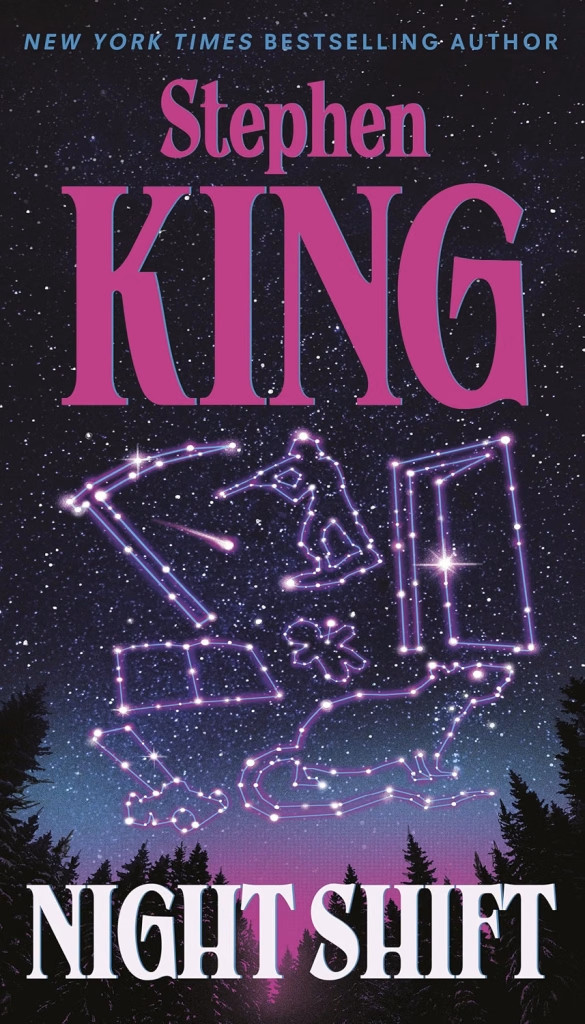
If a partly open closet door ever kept you awake, start with “The Boogeyman.” A father tells a psychiatrist about the deaths of his children, and the closet becomes the detail his account keeps coming back to. The story takes a fear adults usually reassure children about and makes the adult in the room the one who can’t put it to rest.
King’s first story collection has the variety that made Schwartz’s books fun to dip into. One story can leave you rattled by a bedroom door, and another, “Graveyard Shift,” finds horror under a textile mill. Some stories involve graphic violence, and “The Boogeyman” centers on child deaths.
Start with “The Boogeyman. Find Night Shift on Amazon.
7. Wounds: Six Stories from the Border of Hell by Nathan Ballingrud
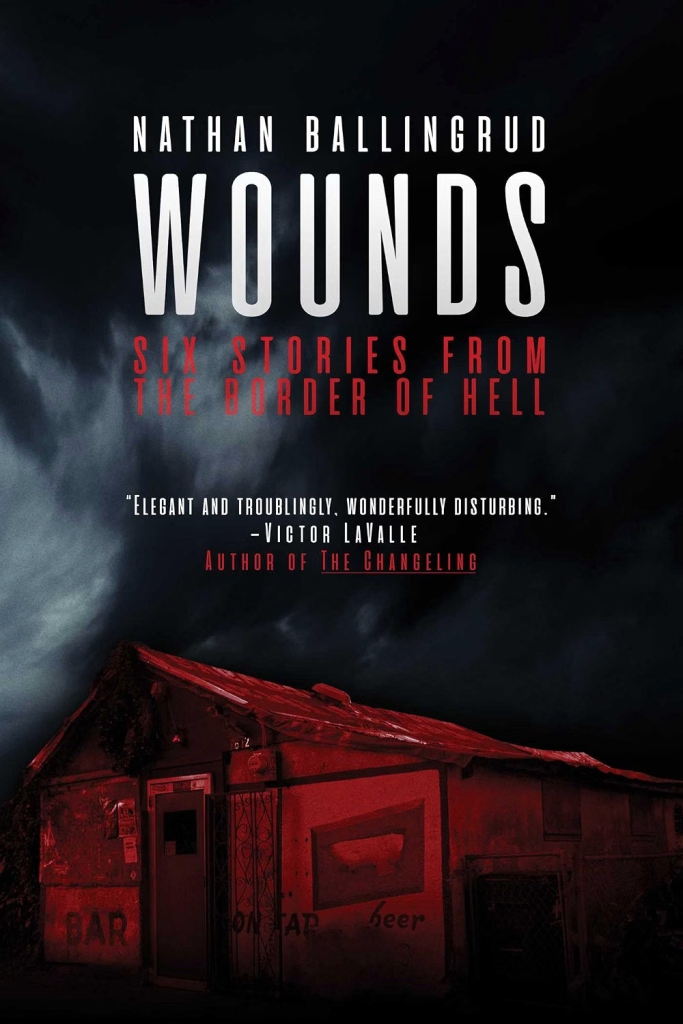
“The Butcher’s Table” has a premise that sounds like something a kid might make up to win a contest for the scariest story: a ship sails to Hell. Ballingrud makes you feel the length and grime of the voyage, and the passengers have their own reasons for wanting to get there. Start with this one if you want a long, nasty tale that treats a supernatural destination as somewhere you can actually travel to.
The six-story collection is the most graphic pick here, with grotesque imagery, body horror and cannibalism. Its connection to Schwartz is the storyteller’s confidence in one outrageous idea. Ballingrud follows that idea further than a campfire story usually has time to go.
Start with “The Butcher’s Table.” Find Wounds on Amazon.
For more one-sitting scares, browse our short horror books reading list.
Follow us on Instagram and Facebook


Discover more from Books of Brilliance
Subscribe to get the latest posts sent to your email.
