
Moving to another country can change a family’s address overnight. Changing its sense of home may take generations.
Korean diaspora novels explore that distance between arrival and belonging. Their characters raise children in unfamiliar places, negotiate languages and expectations, and carry histories that younger generations may only partially understand. Sometimes migration opens possibilities. Sometimes it creates a silence between parents and children that neither knows how to break.
These 12 novels approach those experiences through historical fiction, family sagas, crime fiction, experimental storytelling, and young adult literature. The selection centers on Korean migrants and their descendants, including Korean communities in Japan and the United States. It is a thematic reading list rather than a ranking, and every selection is a novel.
1. Pachinko by Min Jin Lee

Few starting points offer the historical breadth of Pachinko. Beginning in Korea in the early twentieth century, the novel follows Sunja and several generations of her family as their lives unfold in Japan. Lee explores how prejudice, money, marriage, and family obligation shape the choices available to them. The publisher’s description introduces its sweeping family story.
Its place on this list matters because Korean diaspora literature extends beyond immigration to America. Here, belonging becomes a question that children and grandchildren inherit: how long can a family live somewhere and still be treated as foreign?
Best for: Readers who want a multigenerational historical saga.
2. Free Food for Millionaires by Min Jin Lee

In Free Food for Millionaires, Casey Han has graduated from Princeton but has neither a clear career path nor the money to support the Manhattan life she wants. The Queens-raised daughter of Korean immigrants finds herself caught between her parents’ expectations and the wealthy circles she hopes to enter, as outlined on the official book page.
Pair it with Pachinko to explore a different pressure on belonging: class. Education can open a door without giving someone the money, confidence, or connections to feel comfortable inside. Casey’s ambitions also make independence from her family considerably more complicated than simply moving out.
Best for: Readers interested in class, ambition, and adult family conflict.
3. Native Speaker by Chang-rae Lee

Henry Park is a Korean American intelligence operative whose professional talent for observing others and concealing himself spills into his personal life. His marriage is strained, and an assignment involving a Korean American politician brings questions of loyalty and identity into sharper focus. Penguin Random House’s synopsis establishes those overlapping conflicts.
This is the selection for readers drawn to language and self-consciousness. The title raises a question larger than fluency: who gets to sound as though they belong? Henry’s ability to adapt carries an emotional cost when the habits that help him navigate the world also prevent intimacy.
Best for: Literary fiction about language, assimilation, and divided loyalties.
4. Clay Walls by Kim Ronyoung

Clay Walls follows Haesu and Chun, immigrants from Japanese-occupied Korea, and their American-born children in Los Angeles. Its three sections move among mother, father, and daughter, examining racism, poverty, marriage, and Korean national identity. The Penguin Classics edition presents this early Korean American family narrative.
The shifting perspectives make it a useful companion to newer diaspora novels. Parents and children can share a household while understanding its history differently. Survival, respectability, and independence do not necessarily mean the same thing to each family member, especially when gender shapes who is expected to sacrifice.
Best for: Readers seeking historical fiction about early Korean American communities.
5. Forgotten Country by Catherine Chung
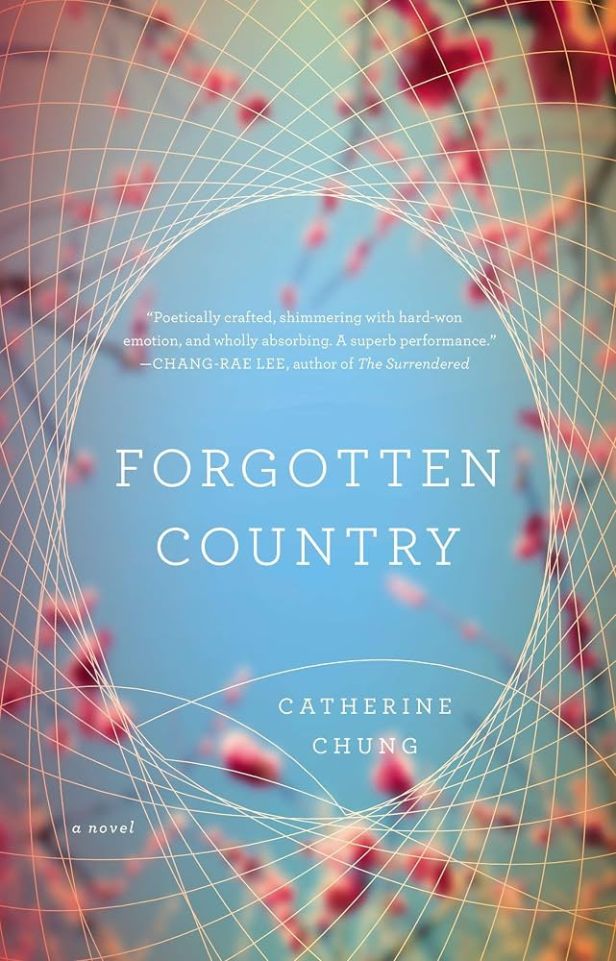
Janie grows up with a disturbing family story: since the Japanese occupation of Korea, a daughter has been lost in every generation. Charged with protecting her younger sister, Hannah, she must confront the limits of that responsibility when Hannah cuts off contact. The publisher’s synopsis connects that estrangement to the family’s migration and hidden history.
Chung brings folklore into a story about sisterhood, silence, and obligation. The central tension is especially compelling for this list: when does protecting someone become controlling them? Family stories can preserve memory while placing burdens on children who did not choose to inherit them.
Best for: Readers who enjoy sister stories and closely held family secrets.
6. The Evening Hero by Marie Myung-Ok Lee

Dr. Yungman Kwak has spent decades delivering babies in rural Minnesota after leaving Korea following the Korean War. When his hospital closes and a letter threatens to expose a secret, the life he has built becomes increasingly difficult to explain to himself or his family. Simon & Schuster’s description traces this collision of past and present.
An older protagonist gives the migration story a different vantage point. Yungman can look back at the promises that once justified leaving home and ask what they actually delivered. His career also invites a difficult question about belonging: does serving a community mean that community fully accepts you?
Best for: Readers interested in aging, migration, and the American dream.
7. The Liberators by E. J. Koh
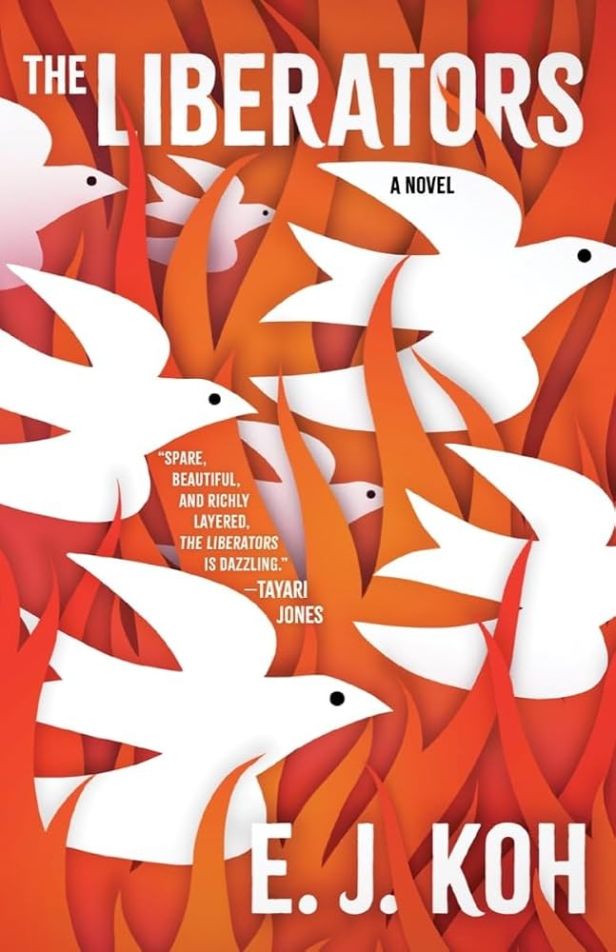
Beginning in South Korea in 1980, The Liberators follows Insuk and her family through political upheaval and migration to California. Her father’s disappearance becomes part of a larger narrative spanning two continents and four generations. The official book description outlines the family relationships and historical pressures at its center.
Koh’s novel belongs beside the longer sagas here, but offers a more compact reading experience. Its premise encourages readers to follow the consequences of intimate decisions across generations. A move may create physical distance from upheaval while leaving grief, desire, and unresolved loyalties embedded in family life.
Best for: Readers who want a compact family saga with lyrical storytelling.
8. Your House Will Pay by Steph Cha

In Los Angeles, Grace Park struggles to understand her sister’s estrangement from their Korean immigrant parents. Elsewhere in the city, Shawn Matthews faces his own family’s painful history. Their lives are connected by a past that threatens to disrupt the present, as the publisher’s overview explains.
This crime novel broadens the list’s examination of family loyalty. Diaspora stories can ask how communities respond to injury, but they can also confront responsibility for harm. Cha’s premise makes room for a harder question: what happens when understanding your family requires challenging the version of its history you were taught?
Best for: Readers who want suspense, family secrets, and moral conflict.
9. The Surrendered by Chang-rae Lee
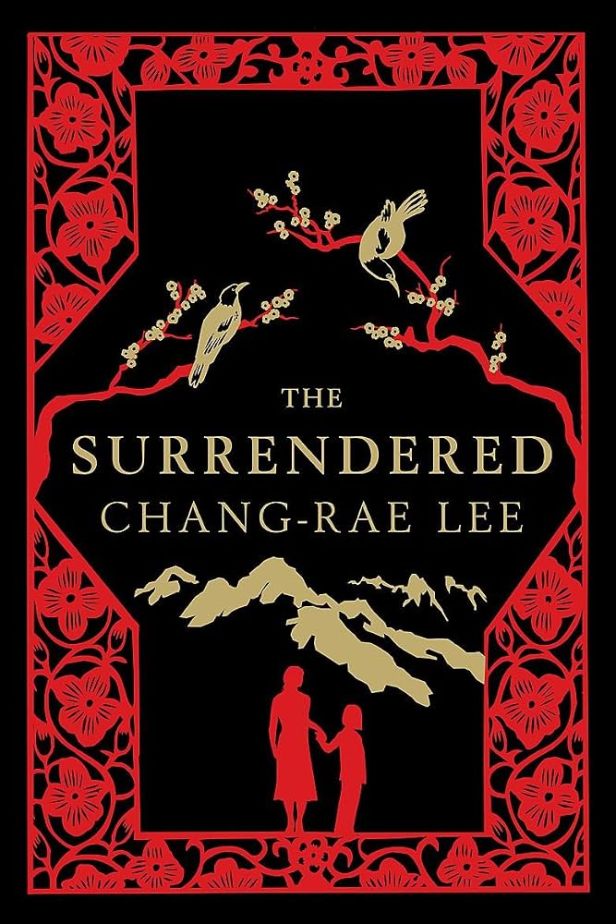
June Han is orphaned during the Korean War. Her life intersects with those of American soldier Hector Brennan and missionary Sylvie Tanner at a Korean orphanage, forming the basis of a story that follows the lasting consequences of war. The publisher’s description introduces these three central figures.
This is one of the list’s heavier selections, suited to readers interested in displacement and the emotional aftermath of survival. It offers a counterpoint to narratives organized around opportunity: leaving a place does not automatically resolve what happened there. Connections forged under extreme circumstances can shape the rest of a person’s life.
Best for: Readers seeking an emotionally demanding novel about war and displacement.
10. Same Bed Different Dreams by Ed Park

Same Bed Different Dreams imagines an alternative history in which the Korean Provisional Government continues operating secretly. Its interconnected narratives bring Korean history into contact with American popular culture and contemporary technology. Random House’s synopsis describes its deliberately expansive premise.
Choose this if you want diaspora fiction that experiments with how a story is assembled. The novel’s imagined history creates room to consider how national identity travels through documents, stories, and cultural references. Read it as speculative literary fiction; its alternative history is part of the invention rather than a factual account of Korea’s past.
Best for: Readers who enjoy experimental fiction and alternative history.
11. Yolk by Mary H. K. Choi

Jayne and June Baek have moved from Seoul to San Antonio to New York, but their shared history has not kept them close. When June receives a cancer diagnosis, the estranged sisters are drawn back into one another’s lives. The official synopsis introduces their sharply different personalities and renewed dependence.
Published as young adult fiction, Yolk centers young women navigating adulthood. It brings belonging down to the scale of a sibling relationship: the person who understands where you came from may also be the person you most want to escape. That tension makes it a strong choice for readers interested in messy sisterhood.
Best for: Readers drawn to contemporary sisters, identity, and complicated care.
12. Finding My Voice by Marie Myung-Ok Lee

Seventeen-year-old Ellen Sung attends a predominantly white school in Minnesota, where racism makes her family’s difference impossible to ignore. A romance and her parents’ expectations further complicate senior year. Soho Teen’s book description introduces her struggle to speak up for herself.
This YA selection makes a useful entry point for readers who prefer a direct coming-of-age narrative. Belonging is negotiated through school, friendship, romance, and conversations at home. Ellen’s story also shows why diaspora fiction includes descendants of migrants: the consequences of migration reach children whose daily struggles take place in the country where they are growing up.
Best for: Teen readers and adults who enjoy YA coming-of-age stories.
Which Korean Diaspora Novel Should You Read First?
Start with Pachinko if you want historical scope, or Free Food for Millionaires if you prefer ambition and family conflict in New York. Choose Your House Will Pay for suspense, Forgotten Country for sisterhood and secrets, or Finding My Voice for a YA entry point. If you want a more experimental reading experience, try Same Bed Different Dreams.
For a book club, consider pairing Clay Walls with The Evening Hero. Their different settings and generations offer a useful discussion question: what changes when immigrants build a life over decades, and what pressures remain?
Which of these novels would you add to your reading list? Share your choice in the comments.
Follow us on Instagram and Facebook


Discover more from Books of Brilliance
Subscribe to get the latest posts sent to your email.
