A family inheritance should make the future easier. In stories inspired by King Lear, it usually exposes everything a family has spent years avoiding.
Shakespeare’s tragedy begins with a ruler dividing his kingdom among his daughters and asking them to declare how much they love him. He rewards flattery, rejects honesty, and discovers how little authority remains once he gives away the property that supported it. The Folger Shakespeare Library’s synopsis lays out that disastrous bargain.
Modern writers have carried this conflict into farms, corporations, island communities, and imagined kingdoms. The most interesting versions also change whose story we hear: an older daughter, a neglected wife, or a fool watching powerful people make terrible decisions.
These 10 selections include eight published novels, a feminist stage prequel, and one forthcoming novel. “Modern” describes their reimagining of Shakespeare rather than requiring every story to take place in the present day. Some follow the original closely; others explore its missing histories or use it as inspiration.
1. A Thousand Acres by Jane Smiley

Best for: An inheritance dispute told from a daughter’s perspective.
A wealthy Iowa farmer decides to divide his land among his three daughters. When the youngest questions the arrangement, he excludes her, setting off a conflict that reaches far beyond ownership of the farm.
Smiley’s Pulitzer Prize-winning novel shifts attention toward Ginny, the eldest daughter. That change matters: the family’s public version of events no longer controls the whole story. Resentment and buried harm complicate the familiar image of an ungrateful child.
Of all the books here, this is my suggested starting point for readers interested in how inheritance can become an instrument of parental control. The publisher’s page includes a revealing interview with Smiley about love, obligation, and her changing understanding of Lear.
2. Dunbar by Edward St Aubyn

Best for: Corporate succession and a powerful father’s loss of control.
Henry Dunbar has built a global media empire. After handing control to his two older daughters, he finds himself increasingly vulnerable to the people who now manage his life.
St Aubyn replaces the royal court with the machinery of extreme wealth. The central problem survives the change: a father expects to surrender ownership while keeping the obedience that ownership once secured.
For readers drawn to ruthless family dynasties, Dunbar offers a direct route into Lear’s world. Its appeal lies in the uneasy relationship between money and dependence. A fortune can purchase influence, but it cannot guarantee affection. Published as part of the Hogarth Shakespeare project, it explicitly reworks King Lear.
3. We That Are Young by Preti Taneja

Best for: A family business whose struggles reflect a wider society.
Set in contemporary India, Taneja’s novel follows the upheaval surrounding Devraj, the founder of a vast corporation. His resignation coincides with his youngest daughter Sita’s refusal to submit to marriage, while her sisters Gargi and Radha take over the business.
On her official website, Taneja describes the book as a translation of King Lear into contemporary India. Its struggles over succession unfold across sharply unequal social worlds.
What makes this selection especially relevant is the connection between family authority and institutional power. Decisions about daughters, marriage, and inheritance extend beyond a private household. The company’s future becomes inseparable from who is allowed to choose a life of their own.
4. Even in Paradise by Elizabeth Nunez

Best for: Property, favoritism, and family betrayal in the Caribbean.
Peter Ducksworth, a Trinidadian widower of English ancestry, retires to Barbados and plans to divide his land among his daughters.
Feeling rejected by his youngest daughter, he postpones her inheritance until his death while giving the older two their portions immediately. His attempt to arrange a peaceful future creates the conflict he hoped to prevent.
Akashic Books identifies the novel as a modern-day King Lear, set across Trinidad, Jamaica, and Barbados. Nunez brings race, class, and colonial history into the family dispute.
This is a strong choice for readers who want a recognizable inheritance plot with a setting that changes its implications. Land carries both personal attachment and a history of unequal power.
5. The Lobster Kings by Alexi Zentner

Best for: An island family’s legacy and the responsibilities of succession.
The Kings family has lived on Loosewood Island for generations. As patriarch Woody Kings weakens, his eldest daughter Cordelia faces the possibility of succeeding him within the island’s lobster-fishing community.
That detail immediately changes the Shakespearean arrangement: here, Cordelia is the oldest daughter. Sibling rivalry, outside threats, and the family’s mythology complicate her position.
Norton describes the novel as inspired by King Lear. It is a looser reimagining, with maritime legend woven into the family saga.
The inheritance angle is especially appealing because leadership involves a whole community. Cordelia must consider what preserving a legacy will demand from her, rather than simply whether she will receive it.
6. The Queens of Innis Lear by Tessa Gratton

Best for: Fantasy readers who love contested thrones and rival heirs.
Gratton carries Lear’s family conflict into an epic fantasy about three royal daughters: Gaela, Regan, and Elia. Their competing claims unfold in a world of magic, political ambition, and divided loyalties.
The publisher’s description introduces each daughter’s struggle for power. Gaela wants the king’s rule to end, Regan is determined to secure her position, and Elia seeks to protect her father.
For fantasy readers, this is an inviting way into Shakespeare’s succession crisis. The sisters’ ambitions turn an inheritance dispute into a question about who should govern.
It also makes room for a useful complication: daughters may inherit the consequences of a ruler’s decisions along with his crown.
7. Learwife by J. R. Thorp

Best for: A neglected woman’s perspective on a famous family tragedy.
What happened to Lear’s wife?
Thorp builds a novel around that absence. Lear’s queen has been exiled to a nunnery when news arrives that her husband and daughters are dead. She must confront grief, memory, and the circumstances of her own banishment.
Canongate’s description presents Learwife as a story inspired by Shakespeare’s tragedy. It expands the world around the play rather than repeating the division of the kingdom.
Its place on this list comes from its treatment of exclusion and family betrayal. The queen’s legacy is partly a struggle over whether her experience will be remembered at all. Choose it for an intimate examination of the person missing from the official family story.
8. Fool by Christopher Moore

Best for: A bawdy comic retelling of royal ambition and family scheming.
Christopher Moore gives the story to Pocket, Lear’s fool, and turns Shakespeare’s tragedy into an irreverent comedy.
The king, his daughters, and the struggle over the kingdom remain central, but Pocket’s perspective changes the atmosphere. Royal dignity becomes an invitation to mockery, while schemes and competing loyalties keep the plot moving.
Moore’s official book page introduces Pocket and the family’s escalating trouble. Expect adult humor and considerable freedom with the source material.
This is the pick for readers who want the inheritance conflict with a very different tone. Watching the royal family through its fool highlights how absurd the powerful can look when nobody accepts their version of events unquestioningly.
9. Lear’s Daughters by the Women’s Theatre Group, Based on an Idea by Elaine Feinstein

Best for: A feminist stage prequel about the daughters’ early lives.
First performed in 1987, Lear’s Daughters is a play developed by the Women’s Theatre Group from an idea by Elaine Feinstein.
Instead of beginning with Lear’s division of the kingdom, it explores the lives of Goneril, Regan, and Cordelia before Shakespeare’s opening scene. A production program describes its effort to move Lear away from the center and humanize his daughters.
This selection broadens inheritance into the emotional patterns children receive from a family. Its central appeal is the opportunity to examine how the daughters became the people audiences meet in the original.
For readers comfortable including drama in their reading, it makes an illuminating companion to A Thousand Acres.
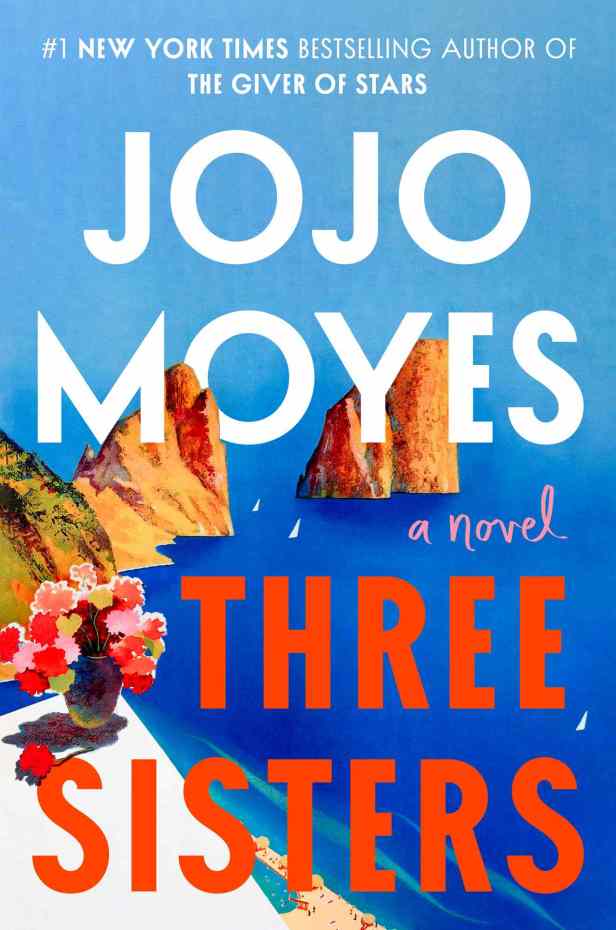
10. Three Sisters by Jojo Moyes — Forthcoming
Best for: Readers interested in a new Lear-inspired family reunion story.
Jojo Moyes’s Three Sisters is scheduled for U.S. publication on February 9, 2027. As of October 3, 2026, it is a forthcoming selection rather than a book readers can buy and read immediately.
The novel follows Cora Agnelli, whose famous artist father summons her and her estranged sisters to Capri. A surprise announcement intensifies tensions within the family.
In an interview announcing the novel, Moyes named King Lear as an inspiration, specifically discussing its sisters, inheritance, love, and betrayal. The publisher confirms the U.S. date and premise.
It belongs on a watchlist for this theme, although its precise relationship to Shakespeare’s plot should be assessed after publication.
Which King Lear Retelling Should You Read First?
Start with A Thousand Acres for a family inheritance dispute grounded in everyday life, or Dunbar for a corporate dynasty.
Choose We That Are Young or Even in Paradise if you want the family conflict connected to wider inequalities. Fantasy readers should begin with The Queens of Innis Lear, while Learwife offers a quieter route through memory and exclusion.
What interests me most about this group is how often changing the narrator changes the meaning of betrayal. A father may see disobedience where a daughter sees survival. An heir may receive wealth alongside responsibilities they never agreed to accept.
That tension gives these retellings their staying power: receiving a family legacy does not settle the question of what anyone owes in return.
Follow us on Instagram and Facebook


Discover more from Books of Brilliance
Subscribe to get the latest posts sent to your email.